Carbon Plate Running Shoes — Are They Worth It for Recreational Runners?
Carbon plate running shoes cost $300-$500 and promise to make you faster. But are they actually worth it if you're not an elite? We cut through the marketing to give recreational Australian runners an honest answer.
What Are Carbon Plate Running Shoes?
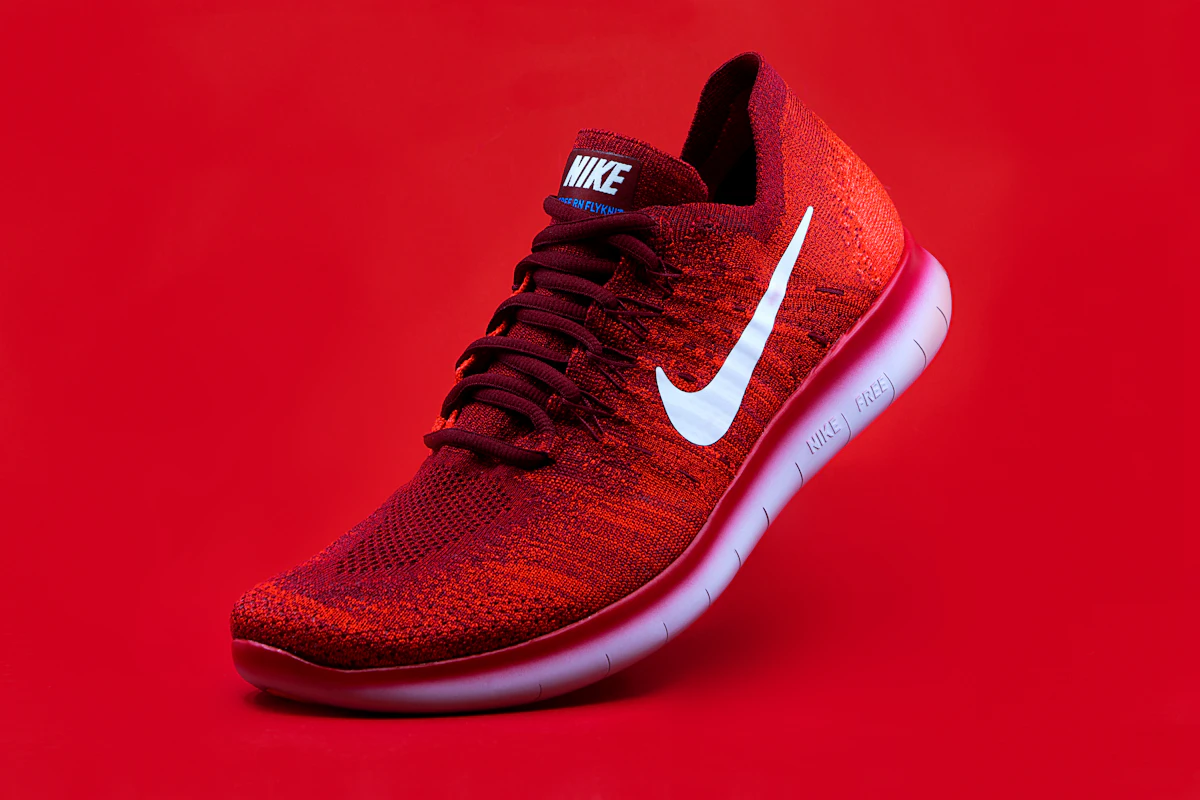
Carbon plate running shoes — also called super shoes or carbon racers — are running shoes built around a stiff carbon fibre plate embedded in the midsole, combined with highly resilient foam (typically PEBA-based, like Nike's ZoomX or ASICS' FF Turbo) that stores and returns energy more efficiently than conventional foam.
The combination works like a spring: the carbon plate stiffens the forefoot, the foam compresses on landing, and both elements snap back during toe-off, returning energy that would otherwise be lost as heat. In elite athletes, peer-reviewed research shows these shoes improve running economy by 4-8% — which translates to significant time savings at marathon pace.
In Australia, the most prominent carbon plate shoes are the Nike Vaporfly 3 (AU$399), ASICS Metaspeed Sky Paris (AU$449), Adidas Adizero Adios Pro 3 (AU$429), and the Saucony Endorphin Pro 4 (AU$369). These are serious investments.
The Science — What the Research Actually Says
The performance benefits of carbon plate shoes are real and well-documented. A landmark 2017 study published in Sports Medicine found that the Nike Vaporfly (the original carbon plate shoe) improved running economy by 4% compared to conventional racing flats. Subsequent research has confirmed benefits across multiple carbon plate designs.
Importantly, the research shows benefits at recreational running paces too — not just at elite speeds. A 2020 study found meaningful improvements in running economy at paces ranging from 4:00/km to 6:30/km, suggesting the technology works across a range of abilities.
However, the magnitude of benefit varies significantly between individuals. Some runners see the full 4-8% improvement; others see 1-2%. Biomechanics, running form, and how well a specific shoe works with your particular gait all influence outcomes.
The Case FOR Carbon Plate Shoes for Recreational Runners
The performance argument is straightforward. If you're targeting a sub-4 hour marathon, a 4% improvement in running economy could mean the difference between achieving your goal and missing it. At AU$400 for a pair of shoes, that's not an unreasonable investment for a goal you've spent months training toward.
There's also a confidence factor. Toeing the start line of an Australian marathon in carbon plate shoes — knowing you've given yourself every advantage — has genuine psychological value. Running is as much mental as physical, and feeling fast matters.
Carbon plate shoes have also become increasingly durable. Early versions (Nike Vaporfly 4%) were only rated for 300km and showed significant performance degradation. Current generation shoes like the ASICS Metaspeed Sky Paris and Adidas Adizero Adios Pro 3 are rated for 500km+ with minimal performance loss.
The Case AGAINST Carbon Plate Shoes for Recreational Runners
The honest counterargument starts with training. Carbon plate shoes are racing shoes — they're not designed for everyday training miles. Running high training volume in carbon plate shoes increases injury risk (the stiff plate changes load distribution in ways that stress the Achilles and calf differently to conventional shoes) and wears out an expensive shoe unnecessarily.
This means you still need regular training shoes. If your training shoe budget is AU$200 and you spend AU$400 on carbon plate shoes, you may end up with inferior daily trainers that compromise the 95% of your running that isn't race day.
There's also a form dependency issue. Carbon plate shoes reward forefoot strikers and penalise heel strikers. If you're a committed heel striker — which many recreational runners are — the carbon plate provides less benefit and can actually feel uncomfortable or unstable.
Who Should Buy Carbon Plate Running Shoes?
Carbon plate shoes make sense if:
- You're targeting a specific time goal in an A-race (marathon, half marathon)
- You run at least 4 times per week and have a solid aerobic base
- You already have quality daily trainers and this is an addition to your rotation, not a replacement
- You're a midfoot or forefoot striker, or willing to adjust your form
- You can absorb the cost without compromising your training shoe budget
Carbon plate shoes probably aren't worth it if:
- You're running your first marathon and your goal is simply to finish
- You run fewer than 3 times per week
- You have a history of Achilles or calf injuries
- Buying them means compromising on your everyday training shoe quality
Best Carbon Plate Shoes Available in Australia
Nike Vaporfly 3 — AU$399
The shoe that started the carbon revolution remains one of the best. The ZoomX foam is the most energy-returning on the market, and Nike's engineering means the Vaporfly has the broadest biomechanical compatibility — it works for more runner types than many competitors. Available widely across Australia including Nike's direct stores and major retailers.
ASICS Metaspeed Sky Paris — AU$449
Designed specifically for stride runners (those who increase cadence when increasing speed), the Metaspeed Sky Paris is the pinnacle of ASICS' technology. The FF Turbo+ foam is exceptionally responsive, and the shoe has received outstanding reviews from Australian runners across multiple state marathon championships.
Adidas Adizero Adios Pro 3 — AU$429
Five carbon rods rather than a single plate gives the Adizero Adios Pro 3 a unique feel — more propulsive and less rigid than single-plate competitors. It's favoured by runners with a more powerful, aggressive stride. Available through Adidas Australia and major sporting goods retailers.
Saucony Endorphin Pro 4 — AU$369
The most accessible premium carbon plate shoe in Australia, the Endorphin Pro 4 offers genuine carbon plate performance at a slightly lower price point. The PWRRUN HG foam is highly resilient and the shoe handles a wider range of runner types than some competitors. A strong choice for runners entering the carbon plate category for the first time.
Carbon Plate Shoes and Injury Risk — What Australian Runners Should Know
The stiffer forefoot of carbon plate shoes shifts load away from the metatarsals and toward the Achilles and calf complex. For runners with pre-existing calf tightness or Achilles issues — common in Australian recreational runners who run in heat without adequate warm-up — this can increase injury risk.
The recommendation from Australian sports physiotherapists is to transition to carbon plate shoes gradually. Don't wear them for long training runs. Reserve them for race day and short race-pace sessions. Give your body time to adapt to the different load patterns before committing to a full race in them.
Frequently Asked Questions
Can carbon plate shoes make a beginner runner faster?
Yes, research shows benefits at recreational paces, but the relative benefit is smaller than for well-trained runners. A beginner runner would get more performance improvement from consistent training than from shoe technology. That said, for a goal race after a training block, carbon shoes can provide a meaningful boost.
How long do carbon plate running shoes last?
Current generation carbon plate shoes typically last 500-600km before foam compression significantly reduces the energy return benefit. The carbon plate itself doesn't degrade, but the foam around it does. Most Australian marathon runners get 2-3 races from a pair with careful use.
Are carbon plate shoes legal in races?
Yes. World Athletics rules allow carbon plate shoes with a maximum stack height of 40mm. All major commercially available carbon plate shoes comply with this rule. There are no restrictions in Australian road races, trail races, or track events for recreational runners.
What's a good first carbon plate shoe for an Australian runner?
The Saucony Endorphin Pro 4 at AU$369 is the best entry point — it's the most accessible in price, handles a wide range of runner types, and is widely available across Australian retailers with good return policies if the fit isn't right.